

In July 2021, Efeca joined the United Nation’s Race to Zero campaign.
Race To Zero is a global campaign to rally leadership and support from non-state actors – including companies, cities, regions, financial, educational, and healthcare institutions – for a healthy, resilient, zero carbon recovery that prevents future threats, creates decent jobs, and unlocks inclusive, sustainable growth. It mobilises a coalition of leading net zero initiatives; as of the end of 2024, the campaign included more than 15,700 members across 150 countries, representing 1,139 cities, 48 states and regions, 12,480 businesses, 9,435 SME’s, 691 financial institutions, and 1,208 Higher Education Institutions. These ‘real economy’ actors joined 146 countries starting in 2021 in the largest ever alliance committed to achieving net zero carbon emissions by 2050 at the latest.
As a small business, Efeca joined the Race to Zero through the UK’s SME Climate Hub, along with many other small and medium sized UK businesses. Efeca pledged to halve emissions before 2030 and achieve net zero emissions by 2040. The first step in this journey was to measure our baseline emissions, for the year 2019/2020. We then measured and reported our emissions for 2021/2022 so that we would have a comparison for a more normal (non-Covid) year.
The following report contains the calculations of our GHG emissions for our baseline year 2019/2020, as well as 2021/2022, 2022/2023, 2023/2024, and 2024/2025.
It includes information on our company, background on our choice of baseline year, information on our scope of reporting and methodologies, and information on our GHG emission totals. It also compares our progress over the years and shows how we are performing against the more specific targets we set in 2022.
Our overall carbon footprint of 11.25 tonnes is lower than our baseline year of 17.39 tonnes, and has reduced by 43% since our baseline year. For the second year in a row since we began measuring, homeworking makes up the largest portion of our emissions. This reflected this year’s lower rate of business travel (mainly through a reduction in flights, compared to our baseline year and 2022-23) as well as the fact that the majority of our team worked primarily from home. Our per capita emissions are also 53% lower than our baseline year, even though our team has grown from 8.9 to 12 FTE.
We agreed to achieve carbon neutralisation of our total emissions for 2019/20, 2021/22, and 2022/23, as well as 2023/24, which we have achieved through the purchase of carbon offsets in 2023 and in 2024 from a Plan Vivo project called CommuniTree in Nicaragua. We chose Plan Vivo as Emily is a Trustee and we chose CommuniTree for their work with smallholder farmers in Nicaragua to grow native trees alongside their existing farming practices and their beyond carbon removals approach including encouraging agro-forestry.
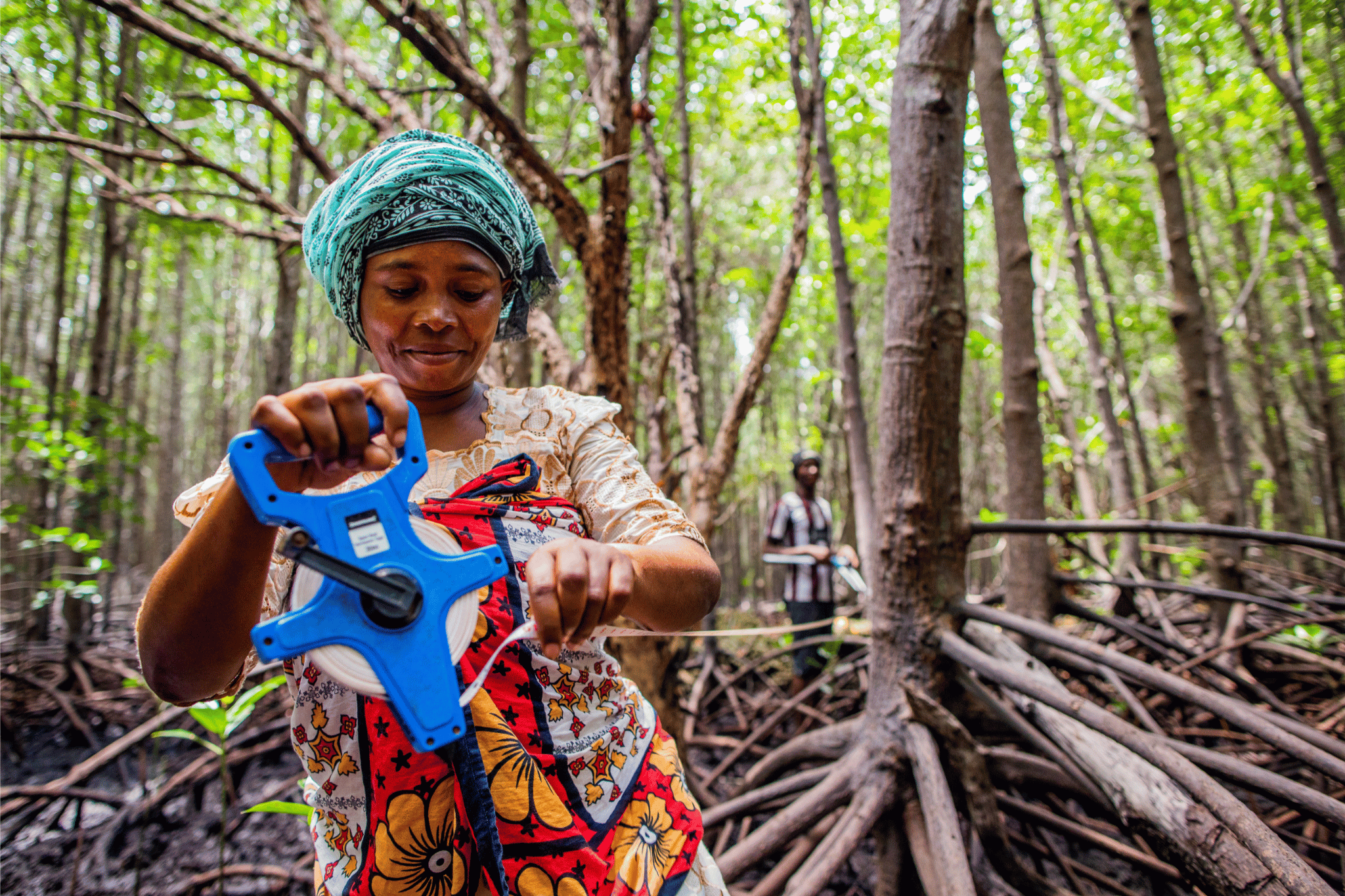
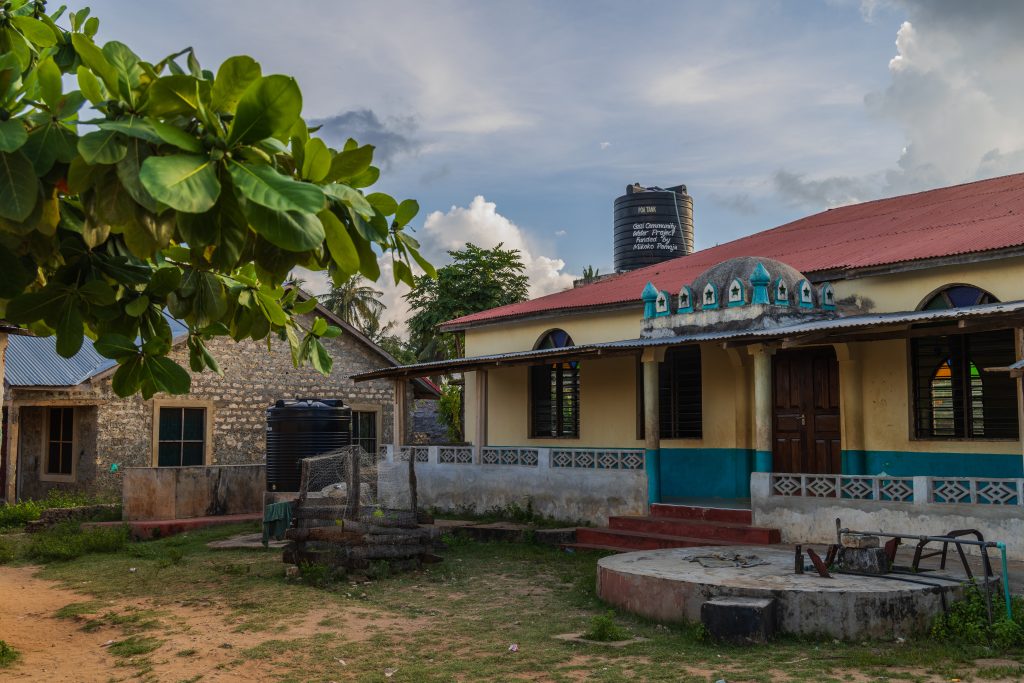
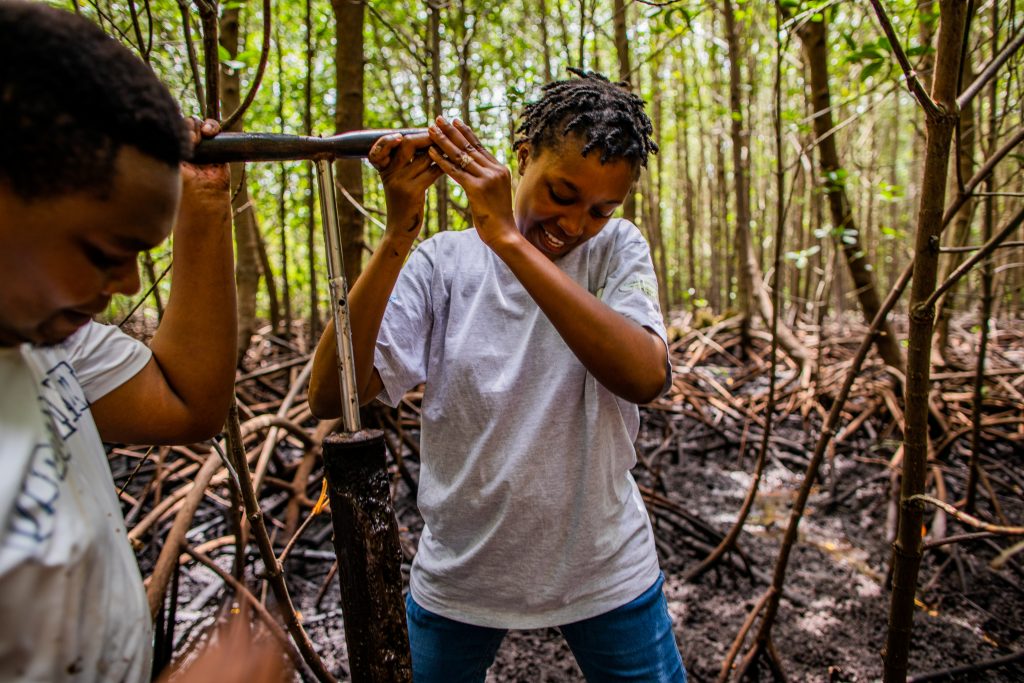
In 2024/25, our team chose to support the Mikoko Pamoja project, a community-led mangrove conservation and restoration project based in Gazi Bay in southern Kenya, and the world’s first blue carbon project. It involves both the prevention of deforestation of the local mangrove forest, as well as community-based reforestation. For the 2024/25 year, we purchased 12 tonnes of offsets to cover our 11.25 tonne footprint.
For more information on our footprint, please contact us.